History of Naval Training Command
The Naval Training Command (NAVTRAC) was established on 20 May 1987 as the central coordinating authority for all professional training within the Nigerian Navy. Its establishment was driven by the need to standardize training procedures, improve operational efficiency, and ensure uniformity in doctrine, instruction, and personnel development across the Service.
Prior to its establishment, training activities within the Nigerian Navy were decentralized, with various commands and units conducting training independently. This often resulted in inconsistencies in standards and operational preparedness. NAVTRAC was therefore created to harmonize training efforts and provide strategic direction for manpower development in line with the Navy’s evolving roles and responsibilities.
Over the years, NAVTRAC has evolved into a highly structured command responsible for overseeing a wide network of naval training institutions across the country. These institutions provide basic, professional, and specialist training for officers and ratings, covering areas such as seamanship, engineering, logistics, intelligence, hydrography, and special operations.
In addition to shore-based training, NAVTRAC coordinates Operational Sea Training programmes including Basic Operational Sea Training (BOST), Safety Operational Sea Training (SOST), and Consolidation Operational Sea Training (COST). These programmes are critical in ensuring that ships and personnel maintain a high level of readiness for operational deployment.
Today, Naval Training Command remains a cornerstone of the Nigerian Navy’s operational effectiveness, playing a vital role in developing skilled manpower, enhancing professionalism, and sustaining the Service’s capacity to meet contemporary maritime security challenges within Nigeria’s maritime domain.
Leadership
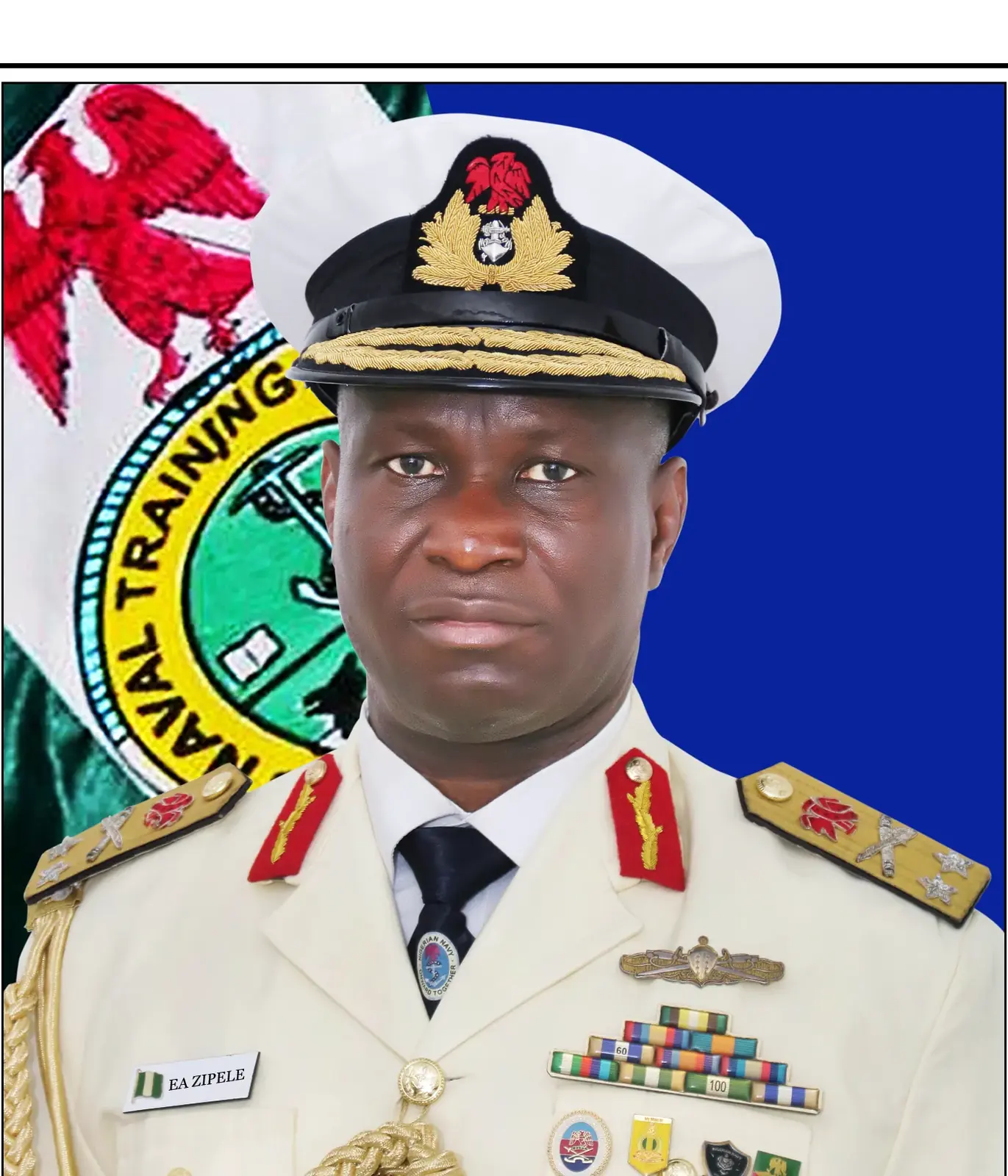
Rear Admiral Ebiobowei Abraham Zipele
Flag Officer Commanding Naval Training Command
Rear Admiral Zipele is a distinguished naval officer and graduate of the Nigerian Defence Academy. He has held several key appointments including Director of Policy at Naval Headquarters and Commander of multinational maritime operations.
With extensive experience in intelligence, training, and operational leadership, he provides strategic direction for the development of personnel and training standards within the Nigerian Navy.
Command Organization
Command Headquarters
Coordinates and supervises all naval training activities nationwide.
Training Schools
Oversees all naval training institutions responsible for professional and specialist courses.
Doctrine Development
Develops and harmonizes training doctrines and operational concepts.
Instructor Development
Manages and develops instructors responsible for delivering quality training.
Key Responsibilities
Training Development
Develop and update naval training standards and syllabi.
Manpower Development
Provide professional and specialist training for personnel.
Sea Training
Conduct BOST, SOST, and COST programmes.
Doctrine & Standards
Develop and harmonize operational concepts.
Instructor Training
Train instructors in modern methodologies.
Coordination
Supervise all naval training institutions nationwide.
Training Institutions
Naval Training Command supervises a wide network of professional schools and training establishments across Nigeria, each specializing in different aspects of naval education and operational training.
NNS QUORRA
Naval Intelligence School
NN Logistics College
NN College of Accounts & Finance
NN Basic Training School
NN Ship Training School
NN Physical & Recreational Training School
NN Hydrographic School
NN Special Boat Service
Joint Maritime Training Centre
NN Diving School
NN Engineering College
NN Signals School
NN Medical Training School
Training Operations
NAVTRAC conducts Basic Operational Sea Training (BOST), Safety Operational Sea Training (SOST), and Consolidation Operational Sea Training (COST) to ensure operational readiness of naval units.
Training Activities